

-
1. What is the purpose of an amber arrow appearing after a green arrow?
Show answer
Answer: d) To warn you to clear the intersection.
An amber arrow appearing after a green arrow warns you to clear the intersection.
-
2.
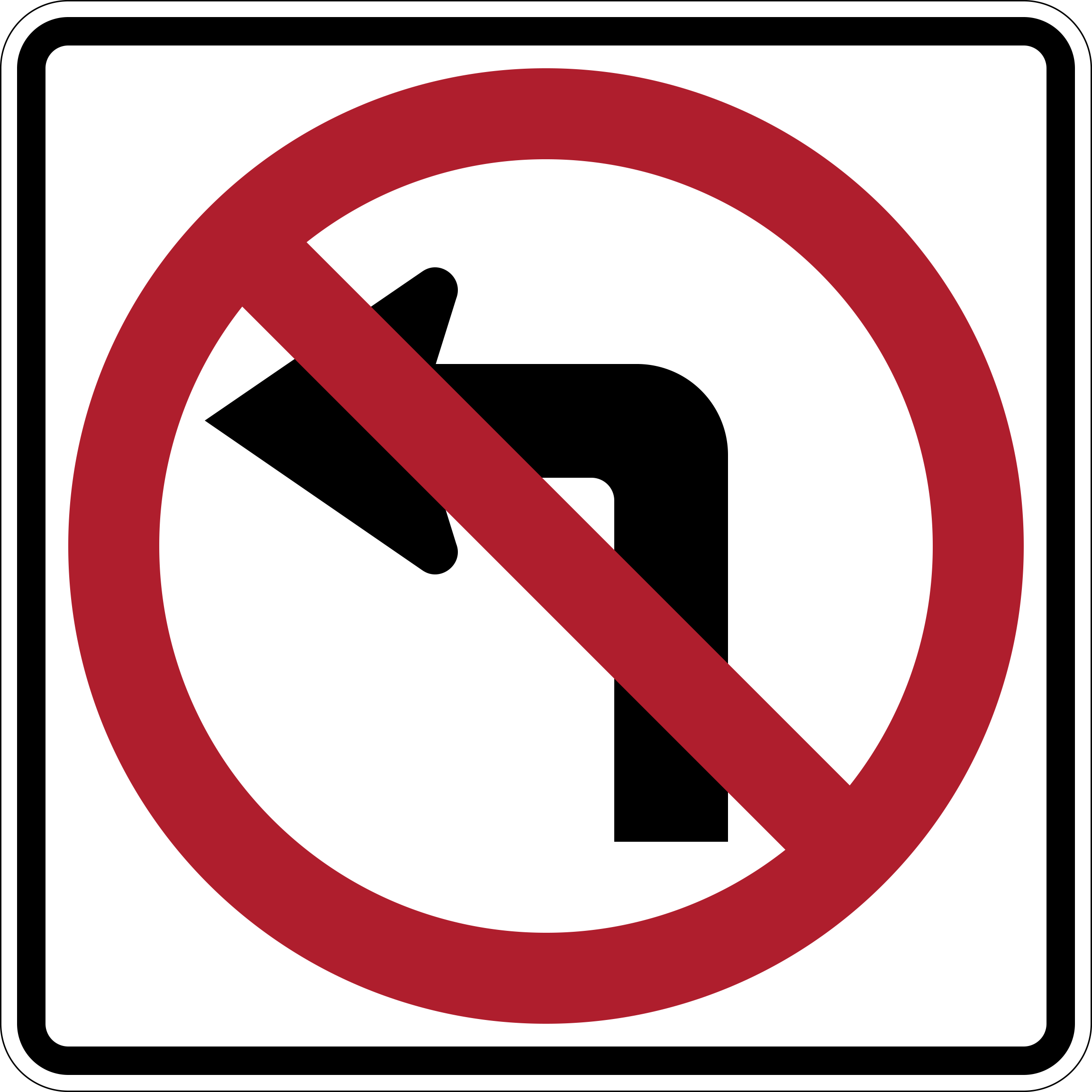 What is prohibited by this sign?
Show answer
Answer: b) Left turn.
This sign prohibits making a left turn.
-
3.
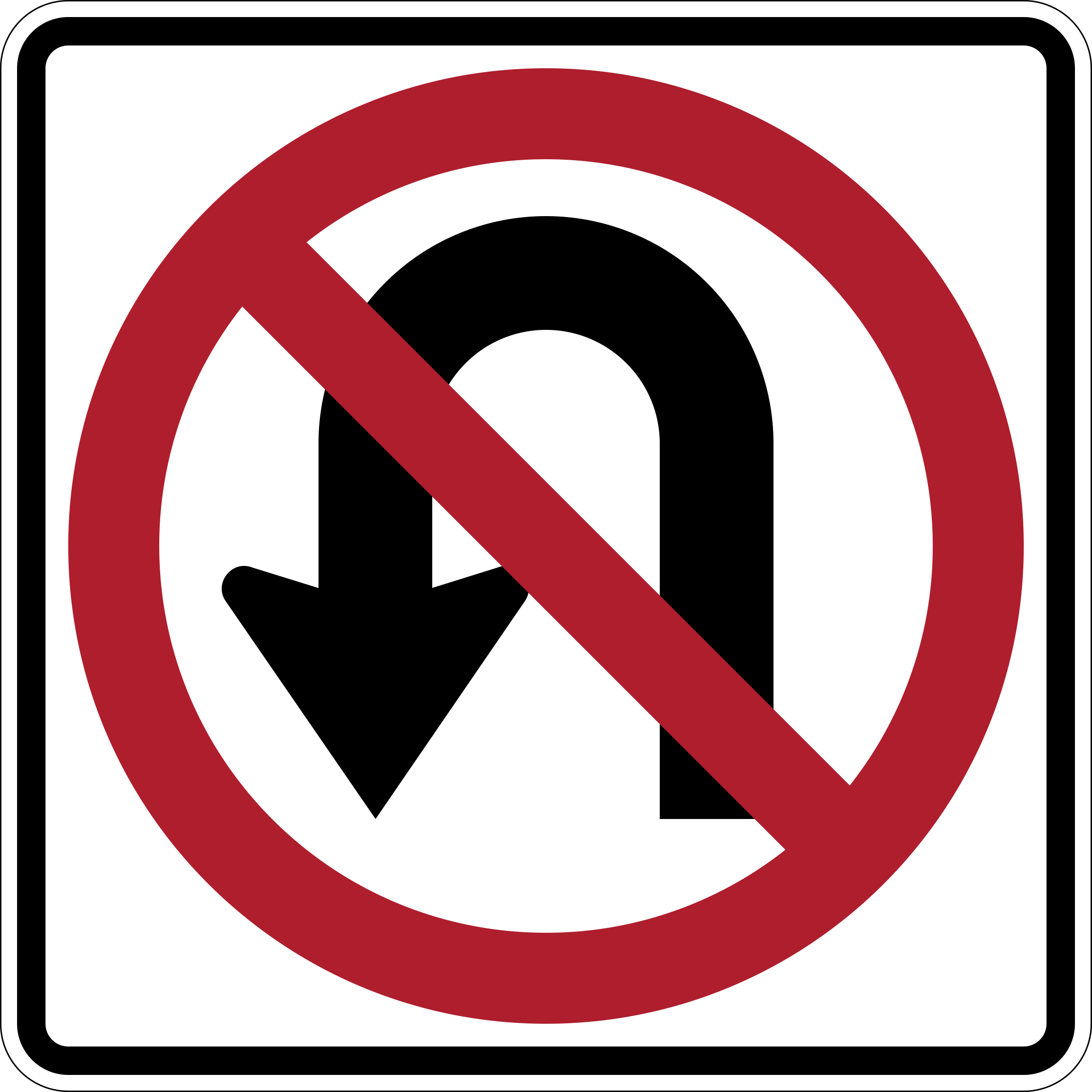 What does this sign prohibit?
Show answer
Answer: c) U-turn.
This sign prohibits making a U-turn.
-
4. Who must you yield to when you see a yield sign?
Show answer
Answer: c) Cross traffic or merging traffic.
A yield sign requires that you yield the right of way to cross traffic or to merging traffic.
-
5.
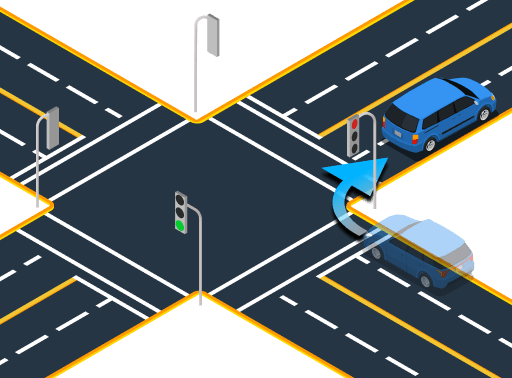
 When turning on a red light, who must you yield to?
Show answer
Answer: d) Pedestrians.
Yield to a pedestrian when making a lawful turn on a red light, after coming to a complete stop.
-
6.
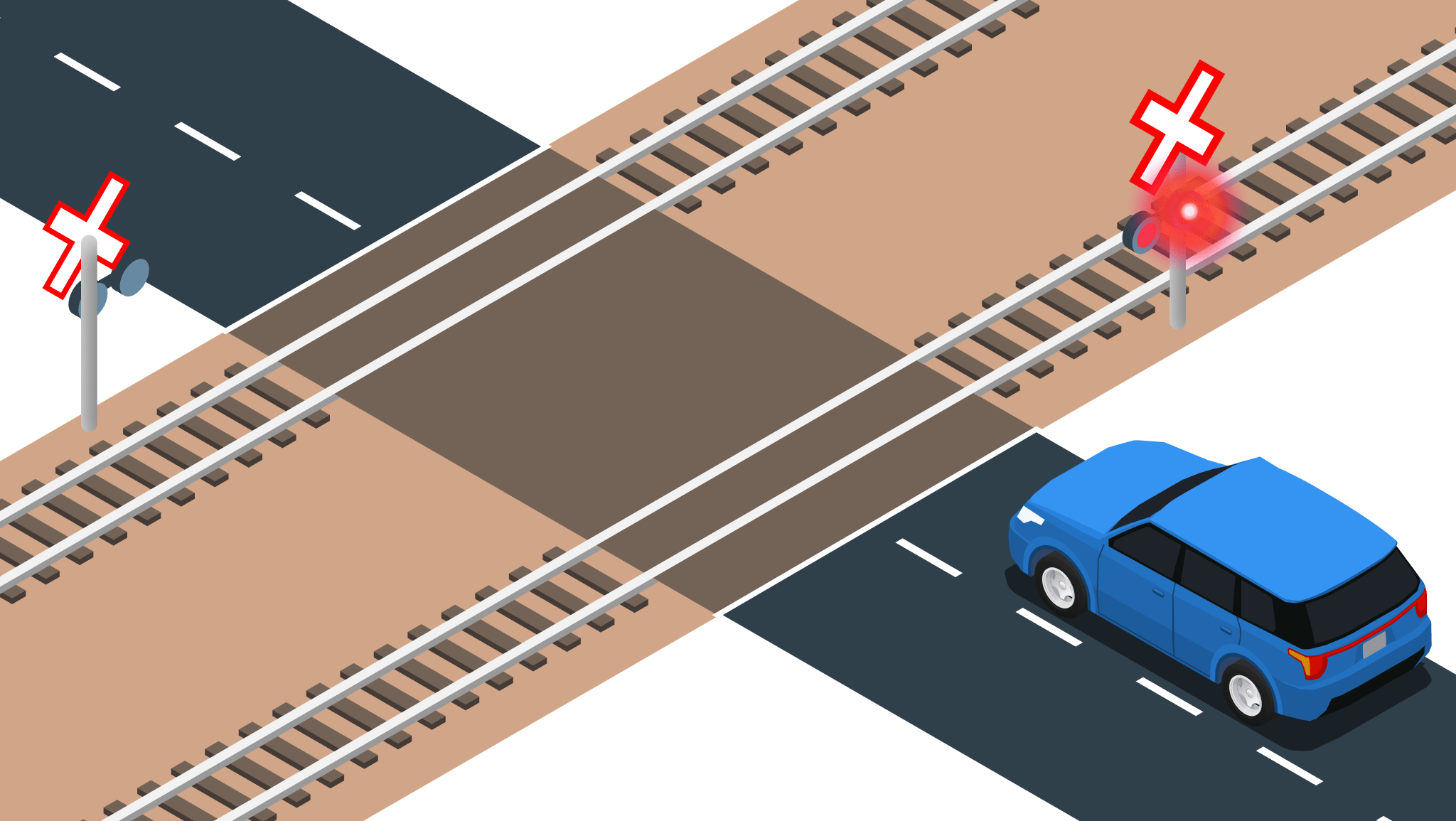
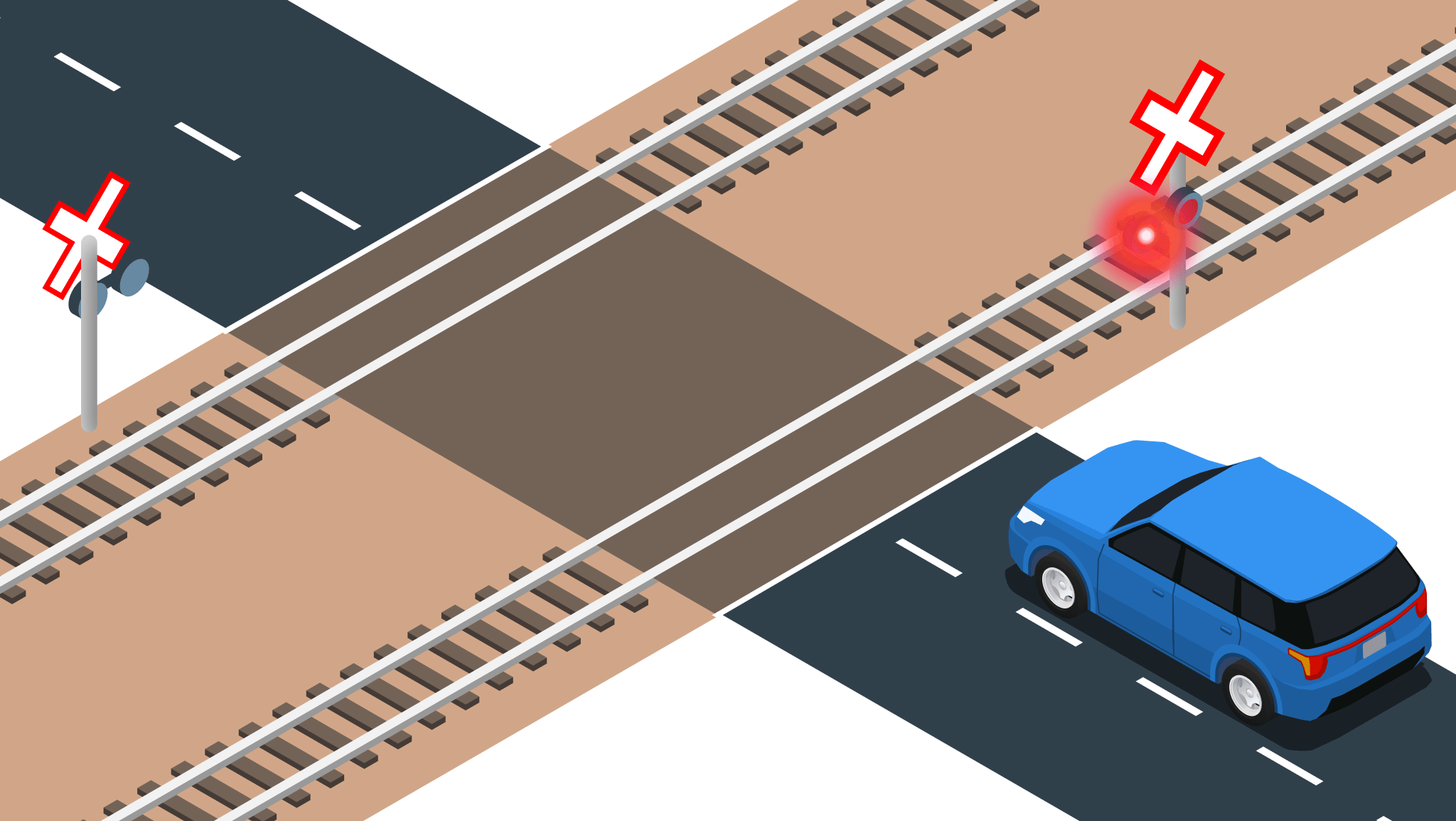 When must you stop at a railroad crossing?
Show answer
Answer: c) For flashing red lights or crossing gates.
You MUST stop for flashing red lights or crossing gates at a railroad crossing.
-
7. Who must you yield to when leaving a parking space?
Show answer
Answer: a) Oncoming vehicles and motorcycles.
YIELD the right of way to oncoming vehicles and motorcycles.
-
8. What is the most frequent type of crash on the Interstate?
Show answer
Answer: c) Rear-end collisions.
Rear-end collisions are the most frequent type of crashes on the Interstate.
-
9.
 Who must you yield to when entering a roundabout?
Show answer
Answer: c) Pedestrians and traffic already in the roundabout.
Slow down as you approach and yield to pedestrians and traffic already in the roundabout.
-
10.
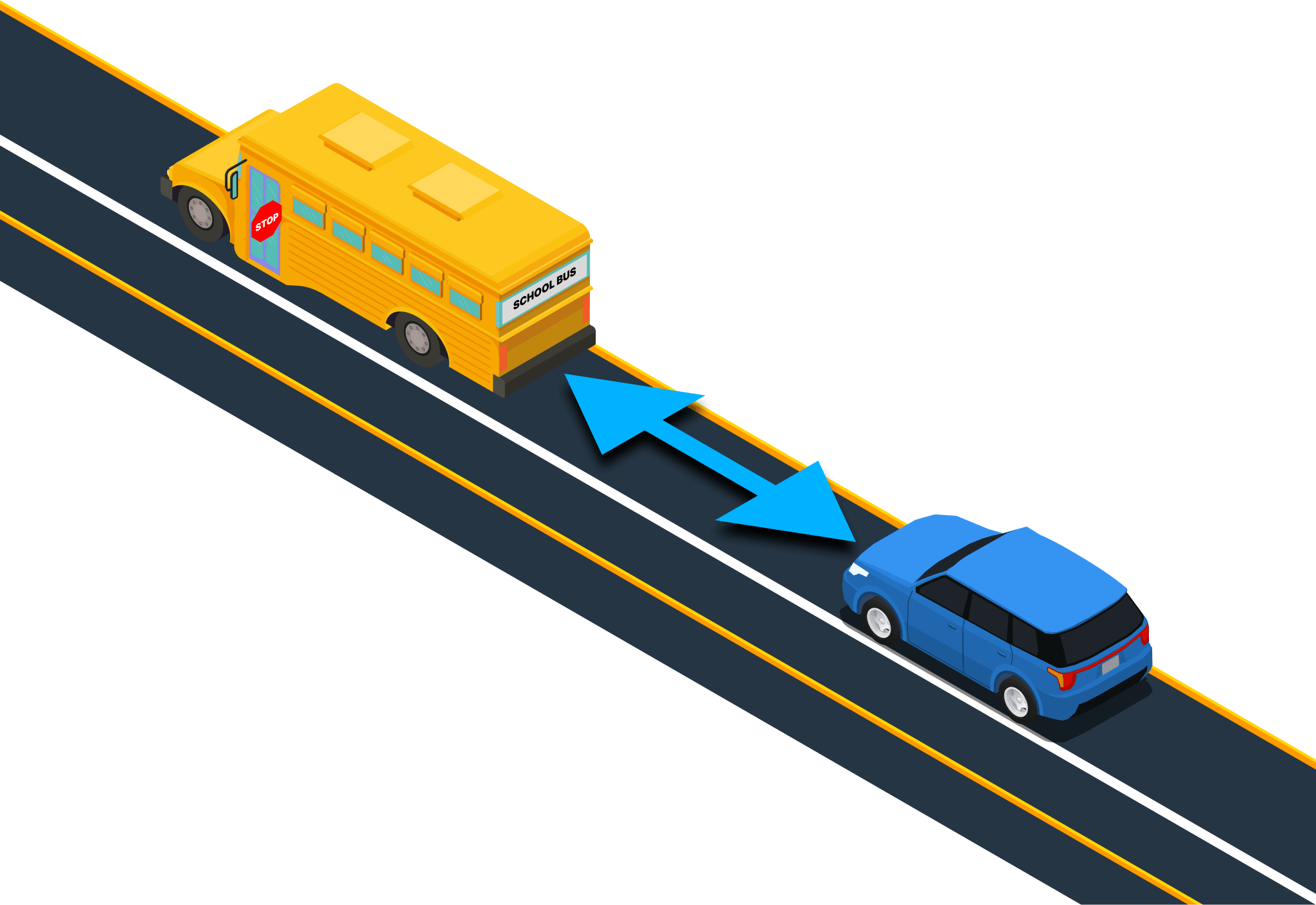
 When must you stop for a school bus?
Show answer
Answer: c) When meeting or overtaking it with flashing red lights.
You must stop when meeting or overtaking a school bus with flashing red lights. You must remain stopped until the bus moves or the lights are deactivated.
-
11.
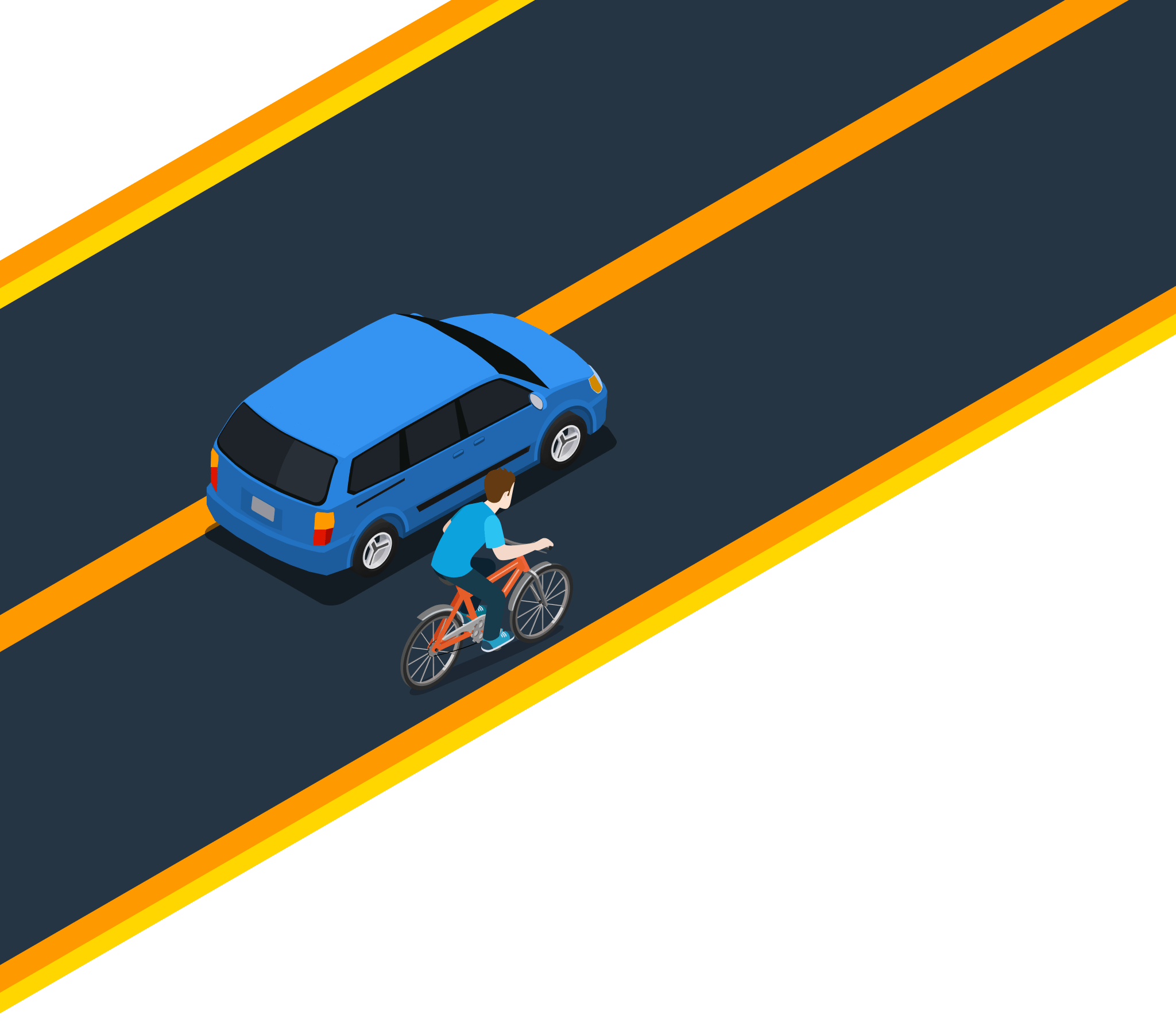 What should you do when approaching a bicyclist without a clear empty lane?
Show answer
Answer: a) Do not attempt to pass.
Unless you have a clear and empty lane, do not attempt to pass.
-
12. What is the minimum following distance on an Interstate?
Show answer
Answer: b) Two seconds.
Always leave at least two seconds space cushion between you and the vehicle ahead.
-
13. How should you adjust your following distance in bad weather?
Show answer
Answer: c) Double or triple it.
When the weather is bad or the pavement is slick, double or triple your following time.
-
14. What must you yield when driving on a two-lane road with traffic moving in both directions?
Show answer
Answer: c) The left half of the roadway to oncoming traffic.
You are required to yield the left half of the roadway to oncoming traffic on a two-lane road.
-
15. Who should primarily use the right lane on a multilane road?
Show answer
Answer: c) Slower drivers and those turning right.
Slower drivers and those turning right use the right lane.
-
16. On a road with two lanes going in one direction, which lane may have the smoothest flow of traffic if there are special left-turn lanes?
Show answer
Answer: c) The left lane
While the right lane usually has the smoothest flow of traffic on roads with two lanes going in one direction, the left lane may be smoother if the road features special left-turn lanes.
-
17.
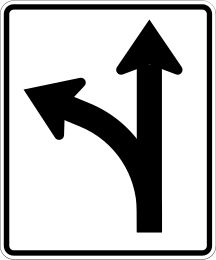 A sign with a left turn arrow, a straight arrow, and the word "only" means that drivers are permitted to:
Show answer
Answer: a) Either turn left or proceed straight ahead.
When a sign shows a left turn/straight arrow with the word "only", you may either turn left or proceed straight. However, making a right turn from that lane is prohibited.
-
18. To which specific section of the Wyoming Department of Transportation do police submit an accident report?
Show answer
Answer: a) The Accident Records Section.
After a crash, the police are responsible for filling out and submitting an accident report to the Accident Records Section of the Wyoming Department of Transportation.
-
19. What should you do if you have to walk on the road at night?
Show answer
Answer: b) Wear light-colored clothing to help others see you.
At night, wear light-colored clothing to help others see you.
-
20. Which statement about bicyclists on public roadways is correct?
Show answer
Answer: a) They have the right to use all public roadways and share rights/duties of drivers.
Bicyclists have the right to use all public roadways, and share rights and duties applicable to all drivers of any vehicle.
-
21. When must you report an animal crash to local law enforcement?
Show answer
Answer: a) Particularly if the carcass is still on the highway and presents a danger.
If a crash occurs, report it to local law enforcement, particularly if the carcass of the struck animal is still on the highway and thus a danger to other vehicles.
-
22. What should a defensive driver do when they identify a critical object?
Show answer
Answer: b) Predict the worst possible outcome.
When defensive drivers identify a critical object, they predict what could happen. They predict the worst.
-
23.
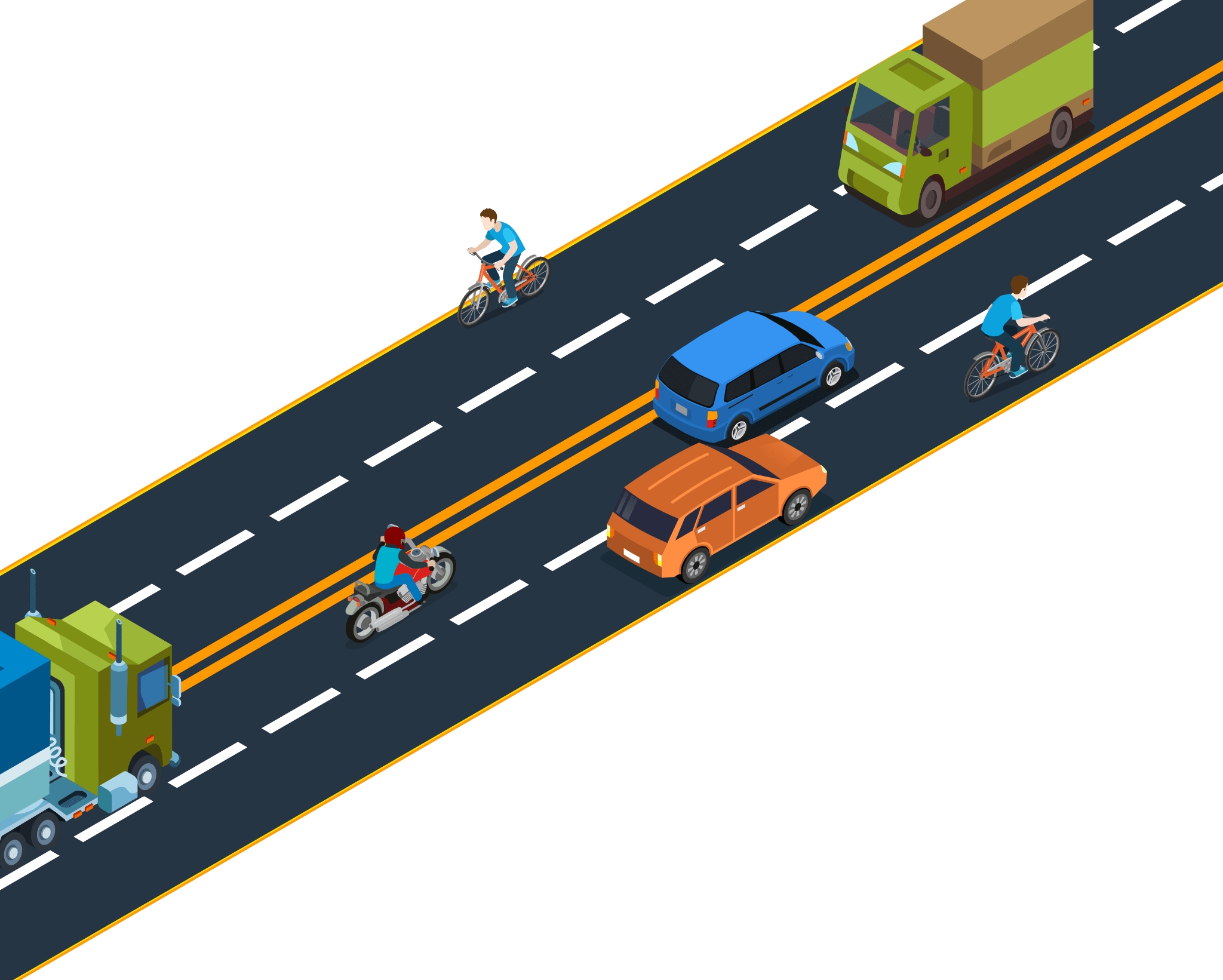 How can you maintain a space cushion and ensure safety regarding other drivers?
Show answer
Answer: d) Avoid driving in other drivers' blind spots.
Avoid driving in other drivers' "blind spots" by placing your vehicle where you can be seen.
-
24. When should you use rear fog lights?
Show answer
Answer: b) Only in heavy fog or hazardous weather with seriously reduced visibility.
Rear fog lights (red) should only be used in heavy fog or in similar hazardous weather conditions resulting in seriously reduced visibility.
-
25. What is the correct action to take if your vehicle starts to skid?
Show answer
Answer: d) Keep calm, stay off the brakes, and stop doing what caused the skid.
The main thing to remember in a skid is to keep calm and not overreact. Do not apply the brakes. You should stop doing whatever you did to start the skid.
Keep practicing in the app
Practice Test 1 is one of 10. The app has 222 more Wyoming questions, an exam simulator, and review of the questions you miss.


Free download · ★ 4.9 from 65 App Store ratings
Pass Guarantee Don't pass? Your next month is free.